

Chicken Merge

Chicky Farm
Grow Up The Cats
MECCHA CHAMELEON
PetBox: Ultimate Desktop Pet
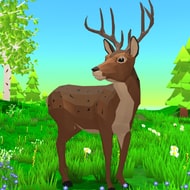
Deer Simulator
Eggstreme Farming










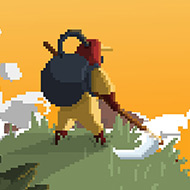


What actually happens when a wolf gets close to your fawns before you can react in Deer Simulator? That’s usually the first real scare new players get, and it’s the moment when the difference between wandering the open world and actually managing your family becomes obvious.
Once you’ve grown strong enough, you can find a mate and start raising fawns, and from that point on a session of Deer Simulator is rarely about just one deer anymore. Fawns need to be fed and protected as they grow, and a family that’s ignored too long is noticeably more fragile the next time a predator shows up.
The open world gives that family room to roam — fields, forests, mountains, gardens, and villages are all explorable, and wild challenges scattered through them reward coins that go toward customization for the whole family, not just the original deer.
Threats scale with where you wander. Bears and wolves are the wildlife dangers, while hunters are a separate, harder threat that shows up as you push into more dangerous parts of the map. Eating green leaves is the main way to strengthen a deer and its family between encounters, and players who skip that step find bears and wolves noticeably harder to shake off.
Points earned from challenges go into three stats that shape how a deer handles danger. Attack decides how much a deer can fight back instead of just fleeing. Stamina decides how long it can keep running from a wolf or a hunter before it has to stop. Life decides how much punishment it can take before an encounter ends badly. Special skills layered on top add faster movement or better resource gathering, letting a build lean into escape instead of confrontation.
Yes — customization isn’t limited to the original deer. Magical skins and hats earned through wild challenges can be applied to a mate and to fawns as they grow, so a decorated family is a realistic long-term goal, not a one-character reward.
Eating green leaves strengthens a deer, working alongside the attack, stamina, and life stats gained from leveling up. It’s one of the few resources that matters throughout the game rather than just in the early hours.
Hunters show up as you explore further into the open world and hit harder than the wildlife encounters near the starting area, which is why players treat spotting one as a signal to check their stamina and life stats before continuing.
Deer Simulator holds up because none of its systems sit alone — the green leaves that strengthen a deer, the stamina that decides whether it outruns a hunter, and the fawns that make the family worth protecting are all pulling in the same direction. Getting a full family through the forests and villages in one piece is still the clearest sign a session went well.